Photography is Poetry
Ledger.com/Start – Set Up Your Ledger Wallet Safely
Welcome to the definitive guide for securing your digital assets. If you've just unboxed your new device, your first and most crucial step is to navigate to Ledger.com/Start. This official portal is your gateway to setting up your Ledger Nano S Plus or Ledger Nano X hardware wallet correctly. This guide will walk you through every step of the process to ensure your journey into self-custody begins with maximum security.
Why Your First Visit Must Be to Ledger.com/Start
The process to set up your Ledger wallet safely is designed to be straightforward, but it must be followed meticulously. The official resource at Ledger.com/Start provides the genuine Ledger Live application, which is the central hub for managing your device. Downloading software from any other source is a significant security risk. This dedicated page ensures you are never tricked by phishing sites and that you are installing the authentic software designed to work seamlessly with your hardware wallet.
Unboxing and Initial Checks at Ledger.com/Start
Before you even connect your device, it's vital to perform some initial checks. As you will see on Ledger.com/Start, your hardware wallet should come in a tamper-evident case. Inspect this box thoroughly. If the seal is broken or the box shows any signs of interference, do not use the device. Contact Ledger support immediately. This is the first active step in your mission to set up your Ledger wallet safely and protect your crypto from supply chain attacks.
Verify the holographic seal on the box is intact.
Ensure all original contents are present: the device, USB cable, recovery sheet, and keychain strap.
Do not use a device from a source you do not trust implicitly.
Installing Ledger Live from Ledger.com/Start
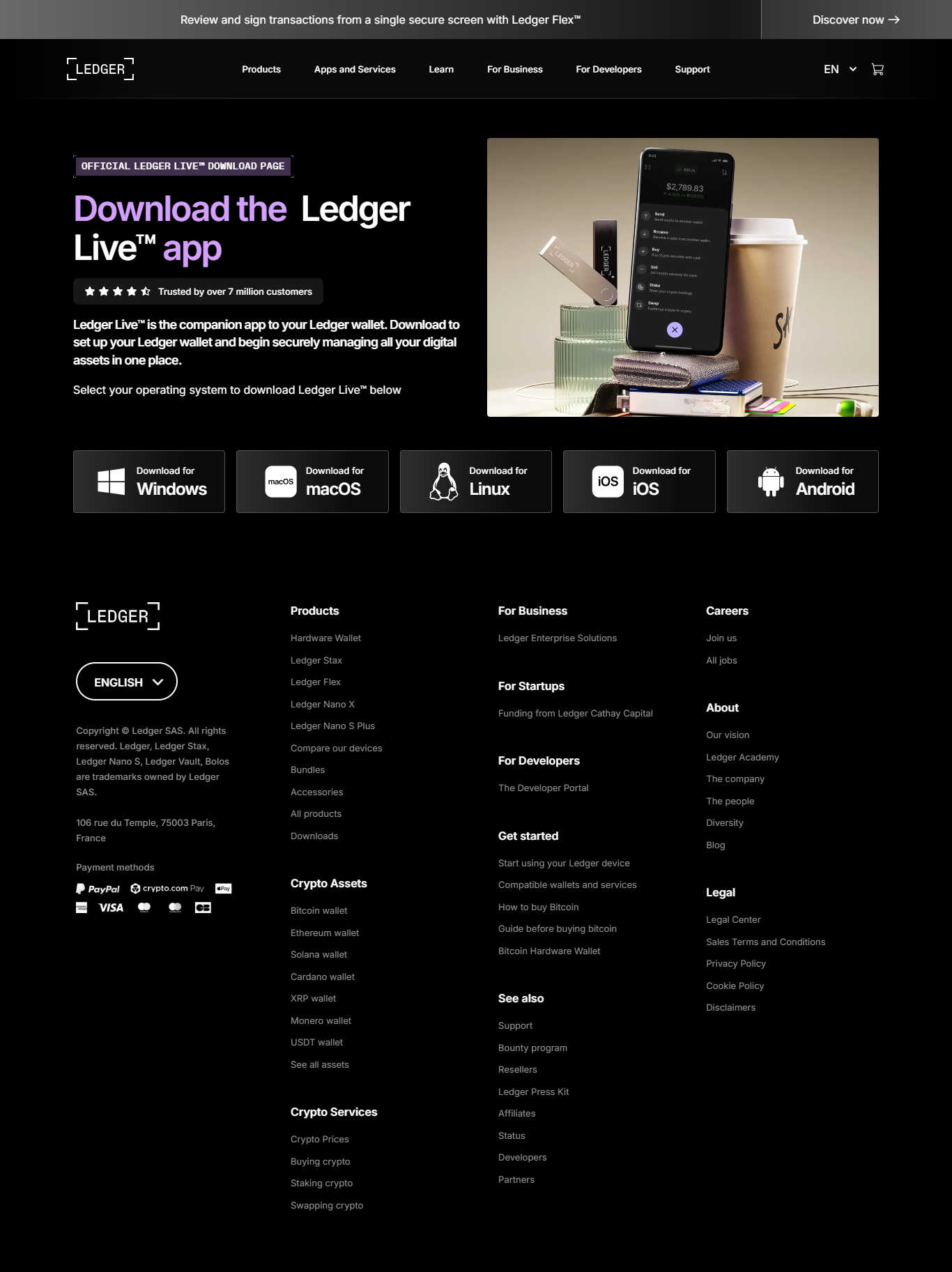
The core of your management experience is the Ledger Live platform. From the page at Ledger.com/Start, download the application for your operating system (Windows, macOS, or Linux). Once installed, open the application. You will be guided through a initialization process where you choose to set up a new device. This software is your command center; it’s where you’ll install apps for different blockchains, manage your accounts, and make transactions, all while your private keys remain secure offline on your hardware wallet.
The Device Setup: Generating Your Recovery Phrase
This is the most critical part of the entire process to set up your Ledger wallet safely. Your device will prompt you to generate a 24-word recovery phrase. This phrase is the master key to your entire wallet. The device screen will display each word, one at a time. You must manually transcribe these words onto the included recovery sheet. Never, under any circumstances, take a digital photo or type this phrase into a computer or phone. The security model collapses if this phrase is exposed online.
Confirming Your Recovery Phrase on Device
To ensure you have written down the phrase correctly, your Ledger device will ask you to confirm a selection of the words. This step, outlined in the instructions on Ledger.com/Start, verifies your backup is accurate. If your device were ever lost or damaged, this correctly recorded phrase is the only way to restore access to your funds on a new Ledger or any other BIP39-compatible wallet. Taking the time to do this correctly is non-negotiable for security.
Setting a Strong PIN Code
Along with your recovery phrase, you will set a PIN code for your device. This PIN acts as a first line of defense, preventing physical access to your device. Choose a code that is hard to guess but memorable to you. The device will erase itself after three incorrect PIN attempts, protecting your assets from a brute-force attack. This is a fundamental feature that helps you set up your Ledger wallet safely against physical threats.
Installing Blockchain Apps and Adding Accounts
With your device initialized, return to Ledger Live. The Manager section allows you to install apps for the cryptocurrencies you want to manage, such as Bitcoin, Ethereum, or Polkadot. These apps are small and allow your device to understand the blockchain you are interacting with. After installing an app, you can add an account for that cryptocurrency. Ledger Live will then generate a public address for you to receive funds. Your private keys never leave the device, even during this process.
Best Practices to Set Up Your Ledger Wallet Safely Long-Term
Your security journey doesn't end after the initial setup. To truly set up your Ledger wallet safely for the long term, you must adopt ongoing best practices. The resources available through Ledger.com/Start and the Ledger Support site provide continuous education.
Firmware Updates: Always keep your device firmware and Ledger Live updated to protect against newly discovered vulnerabilities.
Phishing Awareness: Be wary of emails, messages, or websites pretending to be Ledger. Always double-check URLs and never enter your recovery phrase anywhere but on your physical device.
Secure Storage: Keep your recovery sheet in a safe, secure, and private location, like a fireproof safe or a safety deposit box. Consider using a metal backup solution for added durability.
Verify Transactions: Always double-check the transaction details on your device's screen before approving it. This confirms you are sending the correct amount to the correct address.
Troubleshooting and Support from Ledger.com/Start
If you encounter any issues during your setup, the most reliable source of information remains the official knowledge base linked from Ledger.com/Start. Here you will find articles addressing common questions, connection issues, and troubleshooting steps for both the Ledger Nano S Plus and Nano X. If you cannot find a solution, Ledger's official support team is available to help you directly through the channels listed on their website.
By meticulously following this guide and using only the official Ledger.com/Start page, you have taken the most important step in securing your cryptocurrency. You have successfully learned how to set up your Ledger wallet safely, ensuring that you—and only you—maintain control over your private keys and, therefore, your financial sovereignty. Welcome to the world of secure self-custody.